| Practice | Relative effectiveness | Method | Image1 |
|---|---|---|---|
| Proper Vehicle Management | High | Ensure that vehicles are fueled, maintained, washed and stored in a manner that prevents the release of harmful fluids, including oil, antifreeze, gasoline, battery acid, hydraulic and transmission fluids, and cleaning solutions. | 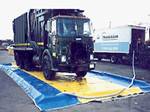 |
| Better Turf Management | High | Ensure that mowing, fertilization, pesticide application, and irrigation are completed in ways that will prevent or reduce grass clippings, sediment, and chemicals from entering storm sewer systems; use native vegetation where possible. | 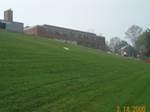 |
| Sanitary Sewer Maintenance | High | Regularly inspect and flush sanitary pipes to ensure that there are no leaks in the system and that the system is properly functioning. | 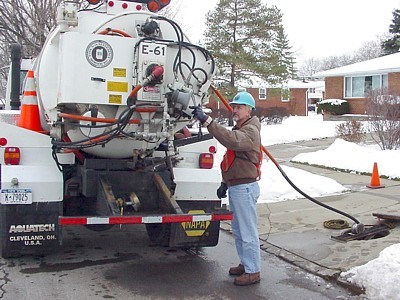 |
| Litter and Animal Waste Control | High | Mandate litter and pet waste cleanup within the community and control waste-generating wildlife, such as geese; provide waste containers for litter and pet waste in public areas. | 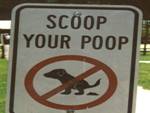 |
| Temporary Construction Sediment Control | Moderate | Implement and encourage practices to retain sediment within construction project area; see Temporary Construction Erosion and Sediment Control Factsheets for additional information | 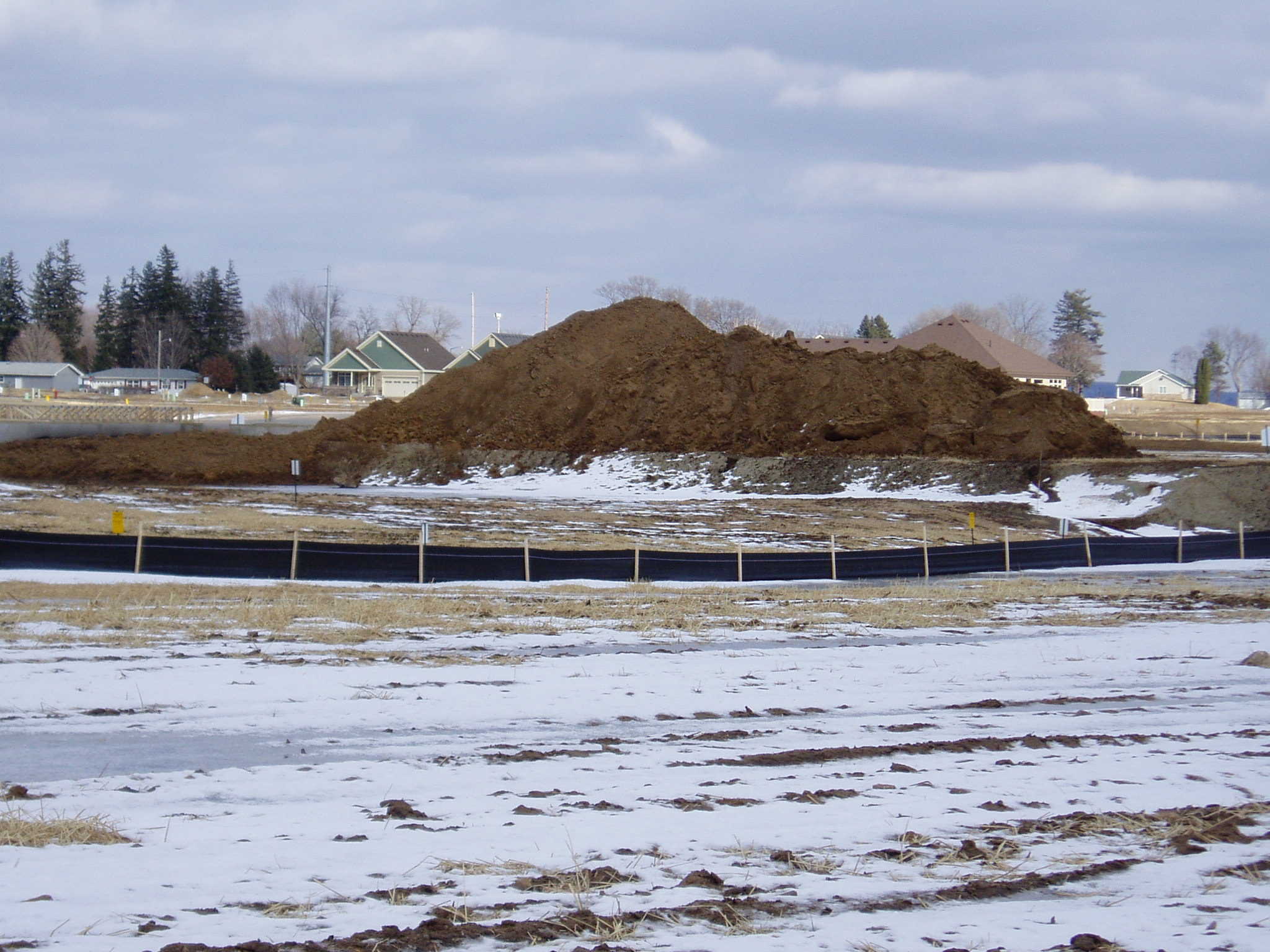 |
| Wind Erosion Control | Moderate | Institute a local program for wetting of open construction surfaces and other sources for windblown pollutants. | 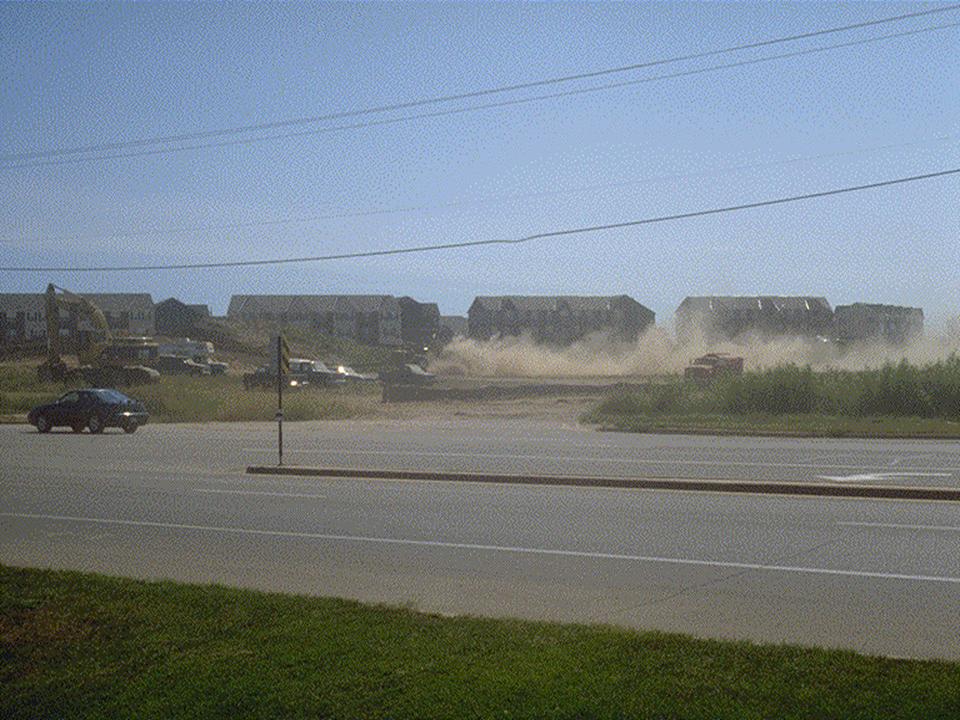 |
| Streambank Stabilization2 | Moderate | Repair erosion occurring on a streambank of lakeshore in a timely manner; inspect bank areas for ice damage in the spring. | 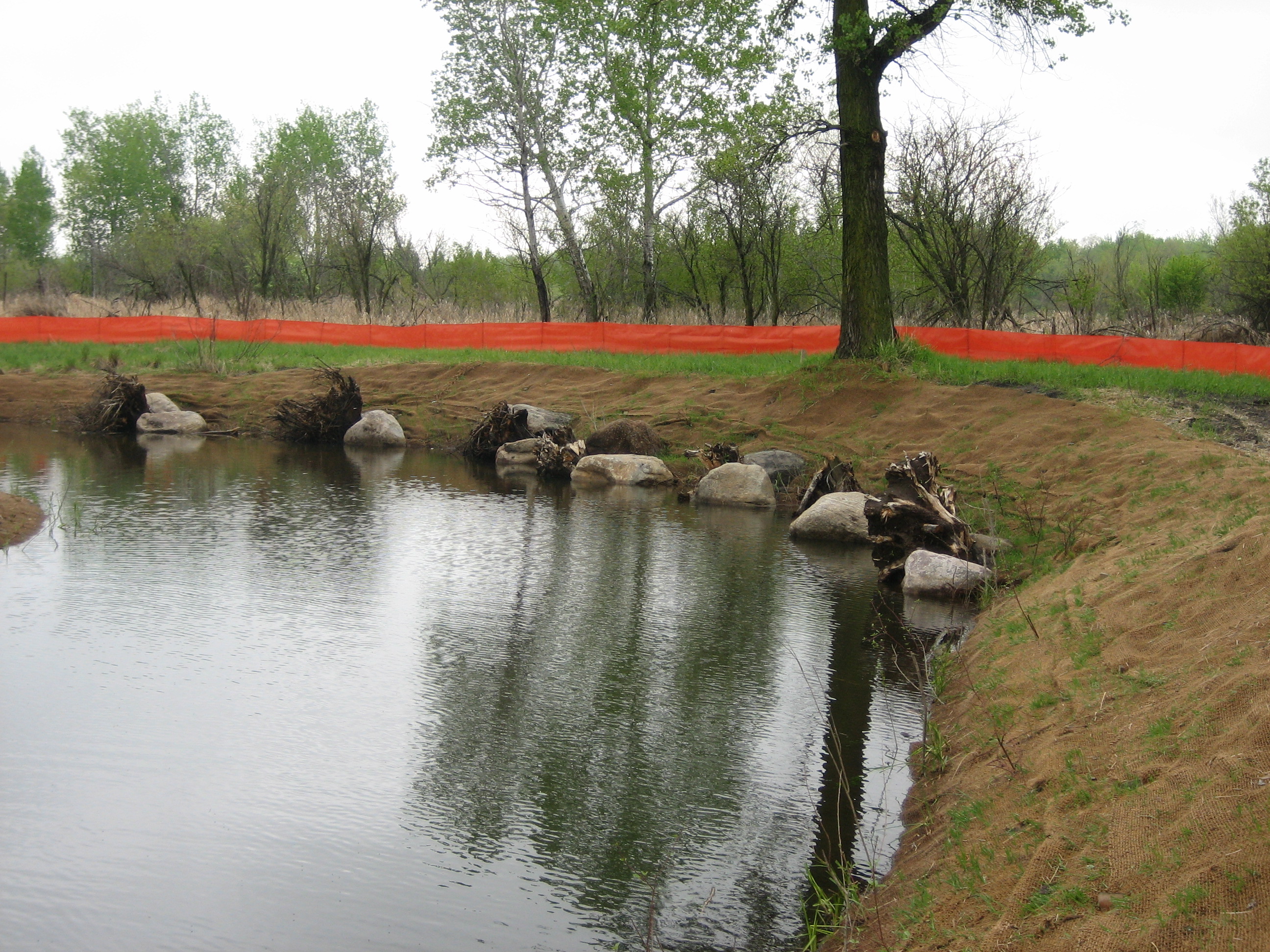 |
| Material Storage Control | Moderate | Reduce or eliminate spill and leakage loss by properly inspecting, containing, and storing hazardous materials and having a cleanup plan that can be quickly and efficiently implemented. |  |
| Dumpster and landfill management | Moderate | Ensure that contaminated material is contained to prevent solid and/or liquid waste from being washed into storm sewer systems or water bodies. | 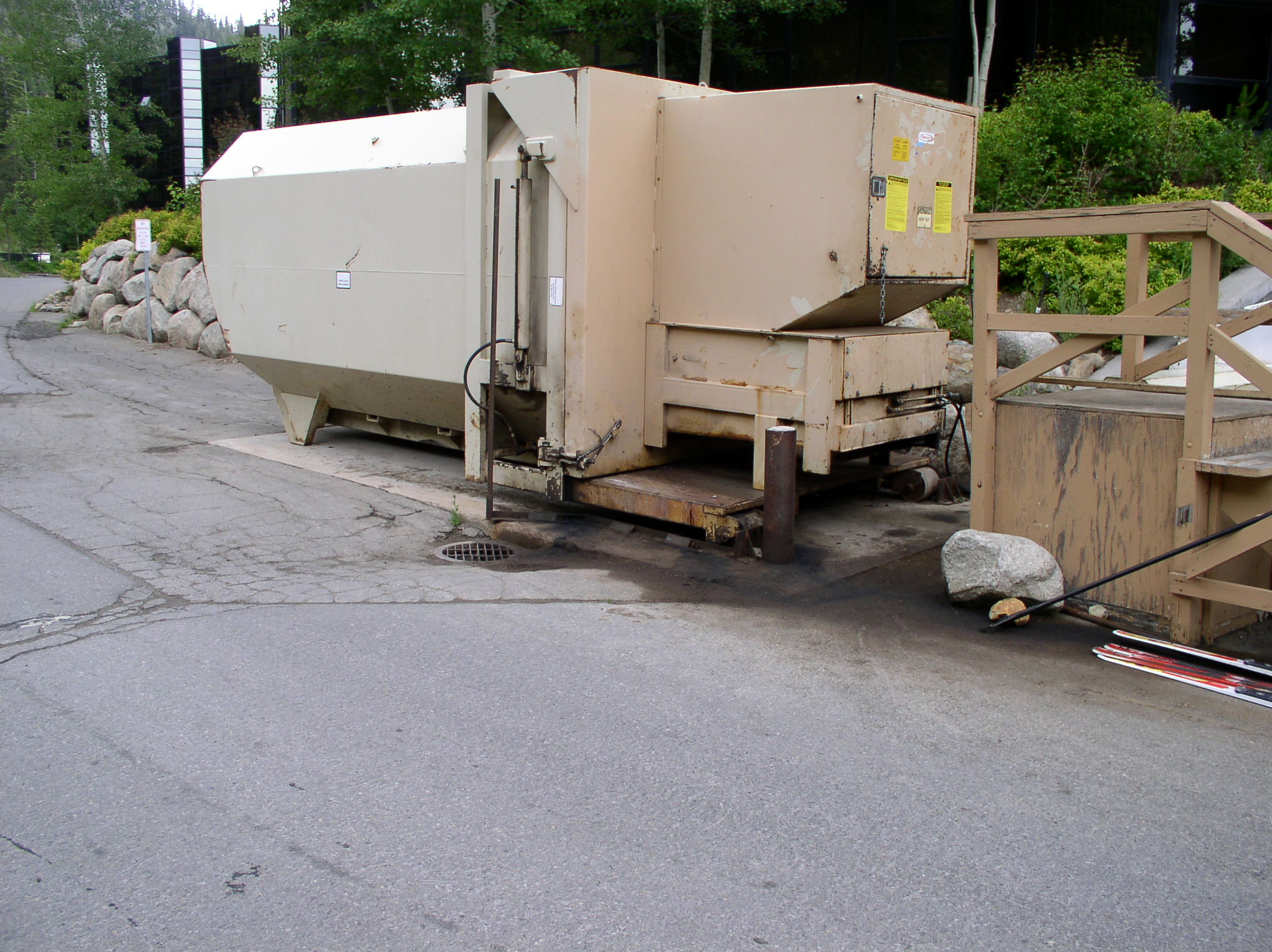 |
| Better Street and Parking Lot Cleaning | Moderate | Maintain streets and parking lots frequently and especially in the spring by sweeping, picking up litter, and repairing deterioration; pressure wash pavement only as needed and avoid using cleaning agents. |  |
| Storm Sewer System Maintenance | Moderate | Regularly clean debris from storm sewer inlets, remove sediment from catch basin sumps, and remove any illicit connections to storm sewer systems. | 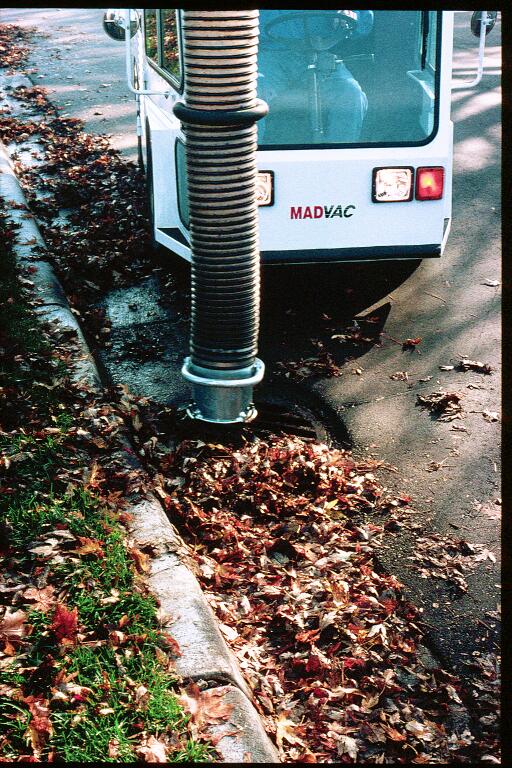 |
| Public Education | Moderate | Label storm drains to indicate that no dumping is allowed and institute pollution prevention programs to educate and implement needed community practices. | 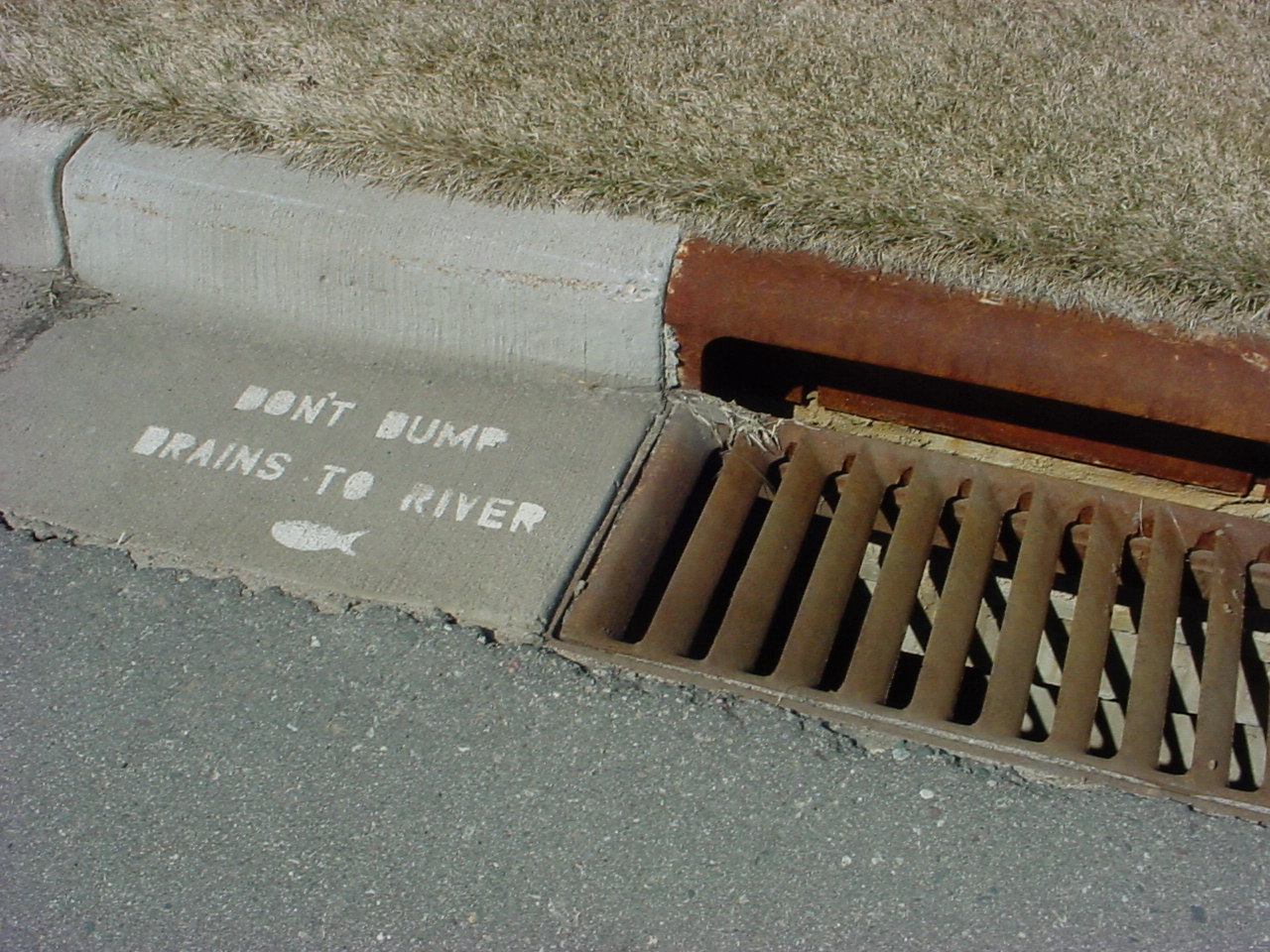 |
| Staff, Employee, and Volunteer Education | Moderate | Provide internal training for staff and provide direction to hired employees or volunteers regarding pollution prevention techniques to be used during work activities. |  |
| 1 Photo credits 2Reductions in pollutant loading associated with this BMP are not eligible for credit toward NPDES permit requirements unless the stabilization is above the ordinary high-water mark (i.e. the work is not completed within a Water of the State), prior to a permittee's discharge, and the load reduced from this action is included in a Wasteload Allocation in a U.S. EPA-approved TMDL. |
|||