| Practice | Relative effectiveness | Method | Image1 |
|---|---|---|---|
| Better Sidewalk and Driveway Cleaning | High | Sweep sidewalks and driveways and dispose of sweepings in the trash instead of using hoses or leaf blowers to clean surfaces. | 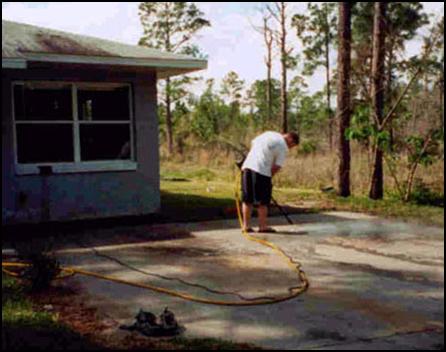 |
| Exposed Soil Repair | High | Use native vegetation or grass to cover and stabilize exposed soil on lawns to prevent sediment wash off. |  |
| Native Landscaping | High | Reduce turf areas by planting native species to reduce and filter pollutant-laden runoff and prevent the spread of invasive, non-native plant species into the storm sewer system. | 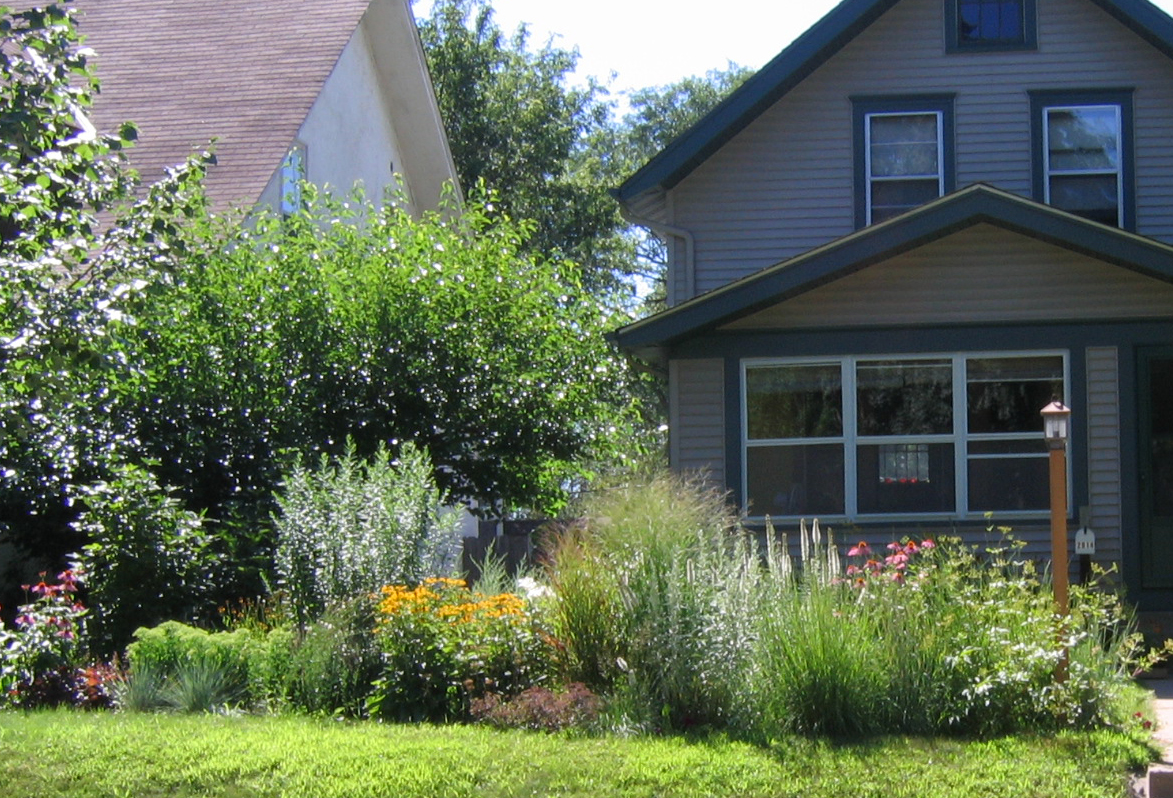 |
| Healthy Lawns | High | Maintain thick grass planted in organic-rich soil to a height of at least 3 inches to prevent soil erosion, filter stormwater contaminants, and absorb airborne pollutants; limit or eliminate chemical use and water and repair lawn as needed | 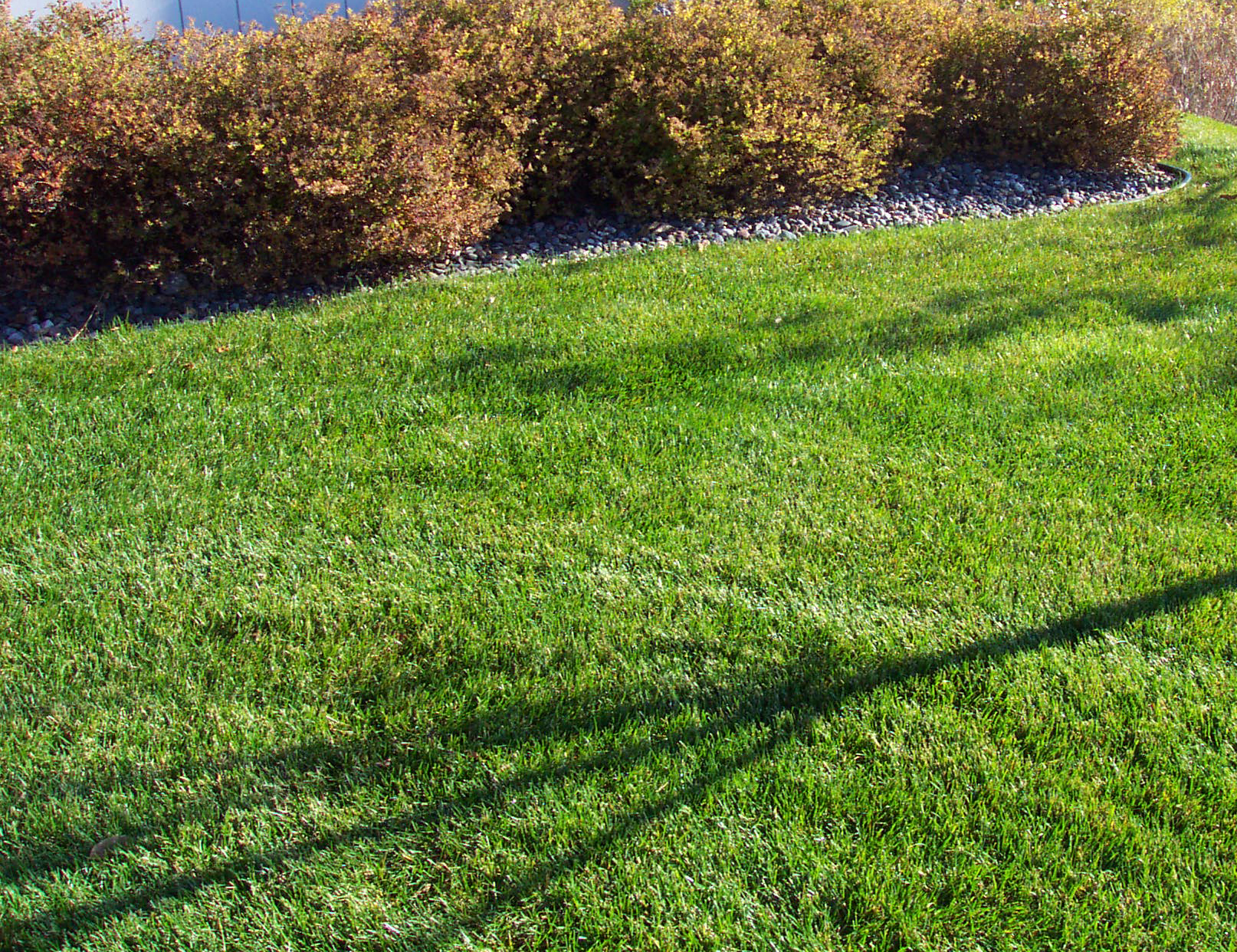 |
| Yard Waste Management | Moderate | Prevent yard waste from entering storm sewer systems and water bodies by either composting or using curbside pickup services and avoiding accumulation of yard waste on impervious surfaces; keep grass clippings and leaves out of the street. |  |
| Better Car and Equipment Washing | Moderate | Wash cars less often and on grassy areas using phosphorus free detergents and non-toxic cleaning products or use commercial car washes to prevent dirty wash water from flowing to storm sewer systems and water bodies. | 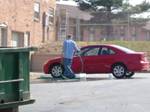 |
| Better Sidewalk and Driveway Deicing | Moderate | Reduce or eliminate the need for deicing products by manually clearing sidewalks and driveways prior to deicer use; use environmentally friendly deicing products, when possible, apply sparingly and store properly if used. | 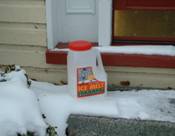 |
| 1 Photo credits | |||