
Information: Bioretention practices are commonly called rain gardens
Green Infrastructure: Bioretention practices can be an important tool for retention and detention of stormwater runoff. Because they utilize vegetation, bioretention practices provide additional benefits, including cleaner air, carbon sequestration, improved biological habitat, and aesthetic value.
Bioretention is a terrestrial-based (up-land as opposed to wetland) water quality and water quantity control process. Bioretention employs a simplistic, site-integrated design that provides opportunity for runoff infiltration, filtration, storage, and water uptake by vegetation.
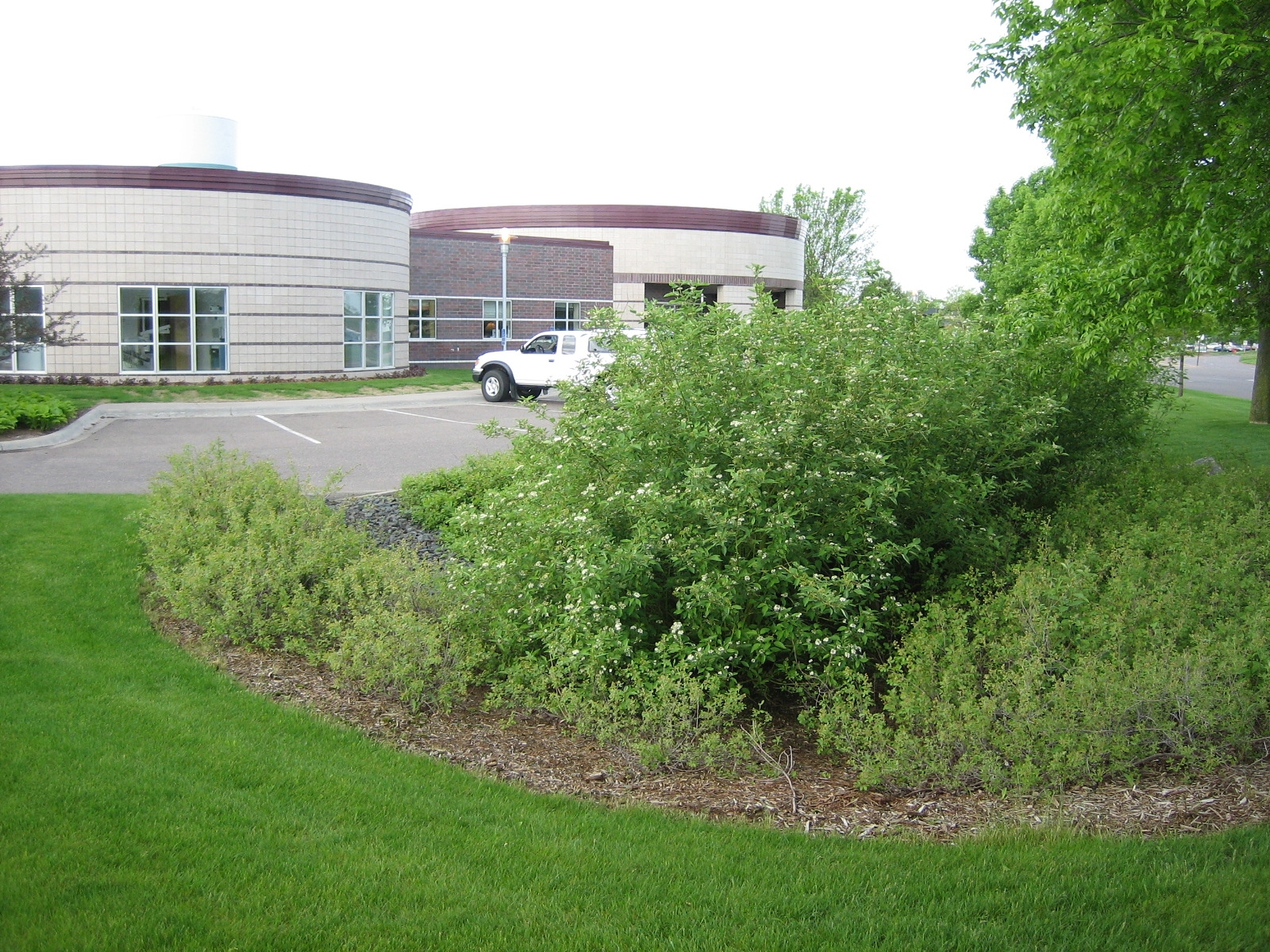
Bioretention areas are suitable stormwater treatment practices for all land uses, as long as the contributing drainage area is appropriate for the size of the facility. Common bioretention opportunities include landscaping islands, cul-de-sacs, parking lot margins, commercial setbacks, open space, rooftop drainage and street-scapes (i.e., between the curb and sidewalk). Bioretention, when designed with an underdrain and liner, is also a good design option for treating stormwater hotspots (PSHs). Bioretention is extremely versatile because of its ability to be incorporated into landscaped areas. The versatility of the practice also allows for bioretention areas to be frequently employed as stormwater retrofits.
Bioretention articles
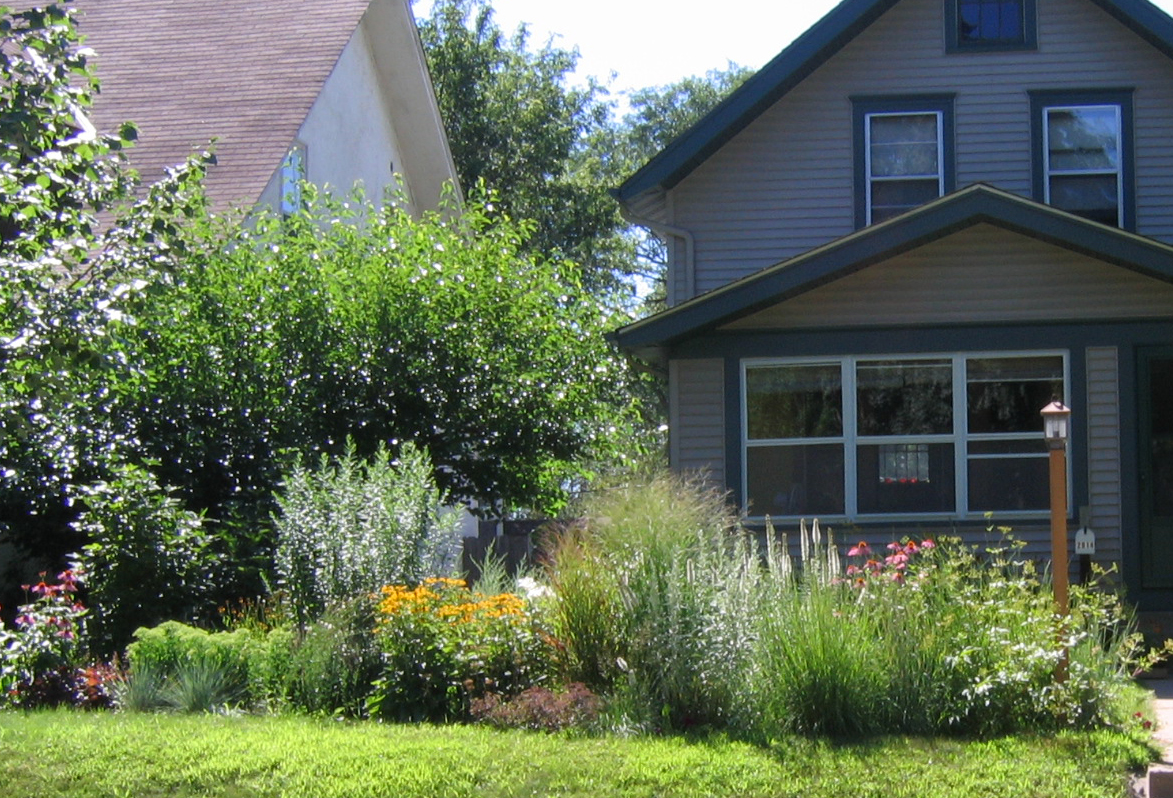
- Bioretention terminology (including types of bioretention)
- Overview for bioretention
- Design criteria for bioretention
- Construction specifications for bioretention
- Operation and maintenance of bioretention and other stormwater infiltration practices
- Operation and maintenance of bioretention and other stormwater infiltration practices - supplemental information
- Assessing the performance of bioretention
- Cost-benefit considerations for bioretention
- Calculating credits for bioretention
- Green Infrastructure benefits of bioretention
- Soil amendments to enhance phosphorus sorption
- Summary of permit requirements for bioretention
- Bioretention photo gallery
- Supporting material for bioretention
- External resources for bioretention
- References for bioretention
- Requirements, recommendations and information for using bioretention with no underdrain BMPs in the MIDS calculator
- Requirements, recommendations and information for using bioretention with an underdrain BMPs in the MIDS calculator
Green Infrastructure: bioretention facilities are designed to mimic a site's natural hydrology