
It is clear that pollinators, both vertebrates and invertebrates, are in decline (see [1], [2], [3], [4], [5]). Vegetated stormwater BMPs can be designed to be pollinator-friendly. The following sections provide numerous links to information that can be used in designing and implementing pollinator-friendly stormwater BMPs.
Caution: Although the following links provide information on pollinator friendly practices, it is important to remember the primary function of a stormwater BMP is to manage stormwater. In particular, it is important to ensure that plants selected as being pollinator friendly must also function well within the stormwater practice. See Design criteria for bioretention and Minnesota plant lists for more information.
Pollinator friendly plants
- Pollinator specific plants
- Metro Blooms: Planting for Pollinators: How Raingardens Can Help
- The Xerces Society for Invertebrate Conservation: Pollinator plants - Great Lakes Region
- Pollinator Partnership: Ecoregional Planting Guides
- United States Department of Agriculture - Forest Service: Attracting Pollinators to Your Garden Using Native Plants
- National Wildlife Federation: Plants for Pollinators: A Collection of Favorites
- Deeproot: Want Pollinators? Plant Trees
- Native Seed Mix Design for Roadsides: Minnesota Department of Transportation
Pollinator friendly practices
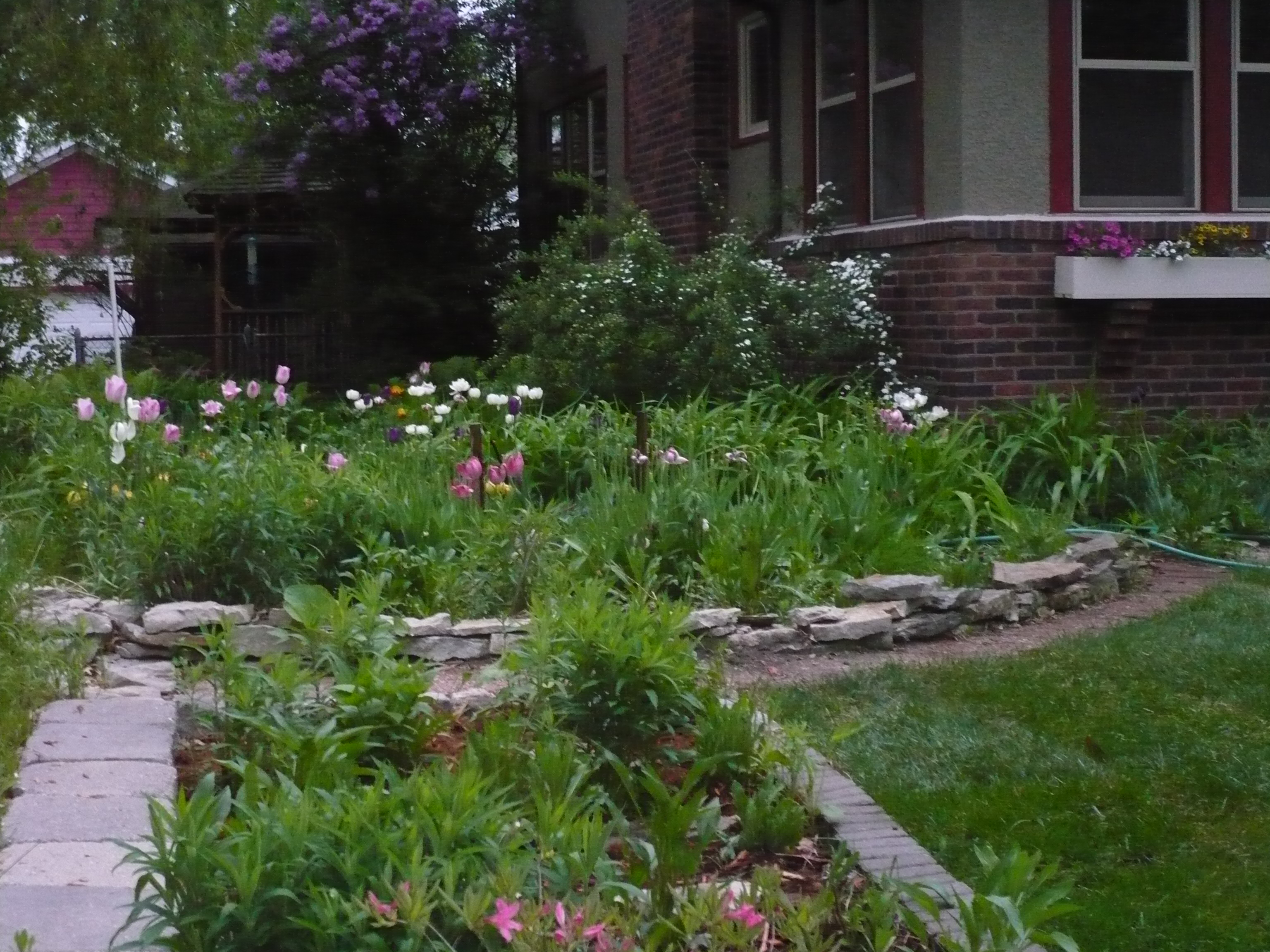
Although much of the information on these pages is general, many of the practices can be incorporated into vegetated stormwater BMPs.
- United States Department of Agriculture - Forest Service: Pollinator Friendly Practices
- North American Pollinator Protection Campaign: Pollinator Friendly Practices
- Institute for Agriculture and Trade Policy: A landowner’s guide to pollinator-friendly practices
Case studies
- Andover Pollinator Awareness Project
- Penn State Extension
- Penn State University: Pollinator Garden Certification
Other links
- The Environmental Quality Board released a Minnesota State Agency Pollinator Report. The Report includes three specific goals in areas where state agencies have the greatest potential to reduce stress on pollinators.
- The Board of Water and Soil Resources has a Pollinator Plan that includes why pollinator populations and habitat restoration matter, current protection and restoration efforts, native seed mixes, a fact sheet and a solar site pollinator habitat assessment form.
- The Xerces Society: Targeted for gardeners, this site contains much useful general information on pollinators and managing for pollinators
- Pollinator Friendly Alliance
- Board of Water and Soil Resources Pollinator Toolbox