Green Infrastructure: Infiltration practices are considered green infrastructure practices.
Green Infrastructure: Infiltration of stormwater, where appropriate, is a preferred practice for managing stormwater runoff, as it reduces pollutants reaching receiving waters and retains water on the landscape
Infiltration Best Management Practices (BMPs) treat urban stormwater runoff as it flows through a filtering medium and into underlying soil, where it may eventually percolate into groundwater. The filtering media is typically coarse-textured and may contain organic material, as in the case of bioinfiltration BMPs. These BMPs are sites ranging from small to relatively large. They are primarily designed for removal of stormwater runoff volume and pollutants in that runoff. They are effective at removing total suspended solids (TSS), particulate phosphorus, metals, bacteria, nitrogen, and most organics. Soluble pollutants such as chloride and nitrate typically through these BMPs and into underlying groundwater.
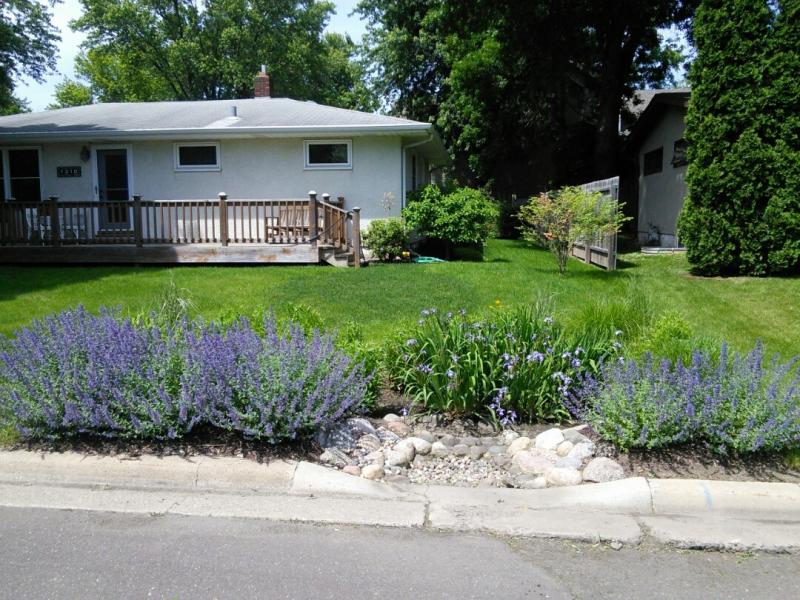
These BMPs, when designed with no underdrain, infiltrate the entire stormwater runoff volume for which they were designed.
- Permeable pavement
- Tree trench/tree box
- Bioretention - bioinfiltration
- Note: Bioretention practices are often called Rain Gardens
- Infiltration - this links to the following practices
- Infiltration trench, including dry wells
- Infiltration basin
- Underground infiltration
- Dry swale (Grass swale)
- High-gradient stormwater step-pool swale
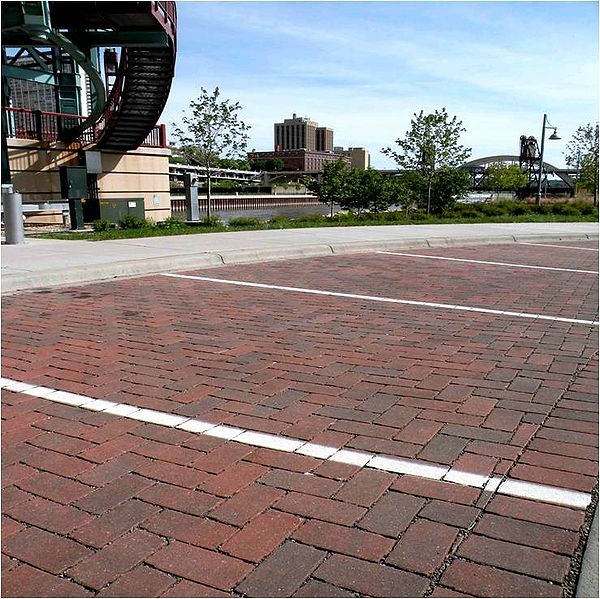
Other BMPs can be designed to infiltrate stormwater runoff.
- Stormwater and rainwater harvest and use/reuse - if water is used for irrigation
- Turf - if disconnected impervious surfaces drain to pervious areas
- BMPs with a raised underdrain
Related pages
- BMPs for stormwater infiltration
- Overview of stormwater infiltration
- Stormwater infiltration
- Understanding and interpreting soils and soil boring reports for infiltration BMPs
- Determining soil infiltration rates
- Cold climate considerations for infiltration practices
- December 15 webinar (powerpoint and link to presentation)