[This page is currently under review]
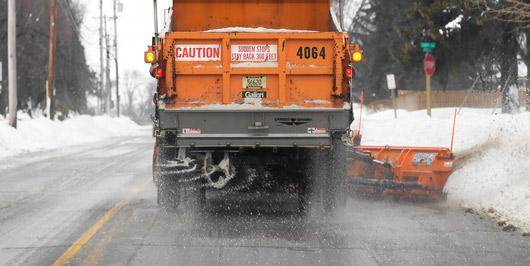
Source reduction is the only effective management tool for chloride at this time. When snow and ice melts, the salt goes with it, washing into our lakes, streams, wetlands, and groundwater. It takes only one teaspoon of road salt to permanently pollute 5 gallons of water. Once in the water, there is no way to remove the chloride, and at high concentrations, chloride can harm fish and plant life. Less is more when it comes to applying road salt.
The following table of contents summarizes pages and sections in the manual that address road salt, Smart Salting (S2), and winter maintenance.
- Overview and impacts of road salt and deicers
- Information on costs and economic impacts of road salt
- Chloride and groundwater
- Impacts of stormwater infiltration on chloride in Minnesota groundwater - White paper produced for the Minnesota Groundwater Association
- Calculator for estimating chloride loading to groundwater
- Guidance for calculator to estimate chloride loading to groundwater from infiltration
Additional Resources
The Minnesota Pollution Control Agency (MPCA) has two training programs, one for winter maintenance of roads with reduced environmental impacts, one for winter maintenance of parking lots/sidewalks with reduced environmental impacts.
- Phase I Chloride Feasibility Study for the Twin Cities Metro Area - MPCA
- TCMA Chloride Project - MPCA
- Protecting Water Quality in Urban Areas – MPCA Stormwater Best Management Practices Guide (see Chapter 7)
- Winter Parking Lot and Sidewalk Maintenance Manual - MPCA
- Minnesota Snow and Ice Control - CTAP
- Road Deicing Salt Impacts on Urban Water Quality – University of Minnesota
- Snow and Ice Control Material Application - CTAP