Contents
Introduction
Protecting stormwater cannot be completed by one person alone but will be the result of communities engaging their residents, businesses, and industries to become invested in water quality. Minimum Control Measure (MCM) 2 of the MS4 General Permit requires permittees to find methods to motivate their communities into action through opportunities, programs, or other approaches to prevent stormwater pollution. Common examples seen around Minnesota include storm drain stenciling activities, drain adoption programs, and volunteer monitoring programs.
MS4 General Permit requirements for MCM 2
To keep their community members in the loop, permittees must:
- Provide at least one opportunity for the public to provide input on the stormwater pollution prevention program (SWPPP).
- Provide access to the public to view the SWPPP document, Annual Reports, and other documentation related to the SWPPP.
- Consider public input.
Resources
Links to specific resources related to MCM 2 are listed below.
Fact sheets and guidance documents
Fact sheets and guidance documents should provide background information and tips to inform your approach to implementing MCM 2 - Public Participation/Involvement.
- EPA MCM 2 guidance - EPA's guidance and suggested BMPs for an effective public involvement program
- EPA's Soak Up the Rain Campaign - Provides template and customizable outreach tools and resources to educate and engage your community on the impacts of stormwater pollution and how to help solve the problem
- Residential Raingarden promotion video - Winona County's video to promote residential raingardens
- Climate change in Minnesota - MPCA's factsheet on how climate change is impacting Minnesota
- Green building tips - MPCA's factsheet on why and how to incorporate green building ideas into projects
- Public Participation Guidance - US EPA
Documentation and tracking templates
Documentation and tracking templates are examples that local stormwater staff are currently using to meet the MS4 General Permit requirements for MCM 2 - Participation/Involvement.
- Documentation of dates and locations of input activities - City of Faribault's tracking template to document dates and locations of events for the annual public opportunity to provide input
- Documentation of dates and locations of input activities - City of Prior Lake's tracking template to document dates and locations of events for the annual public opportunity to provide input
Public Involvement tools and examples
Below are examples, tools, or other resources to enhance your public participation/involvement program.
Adopt a storm drain programs
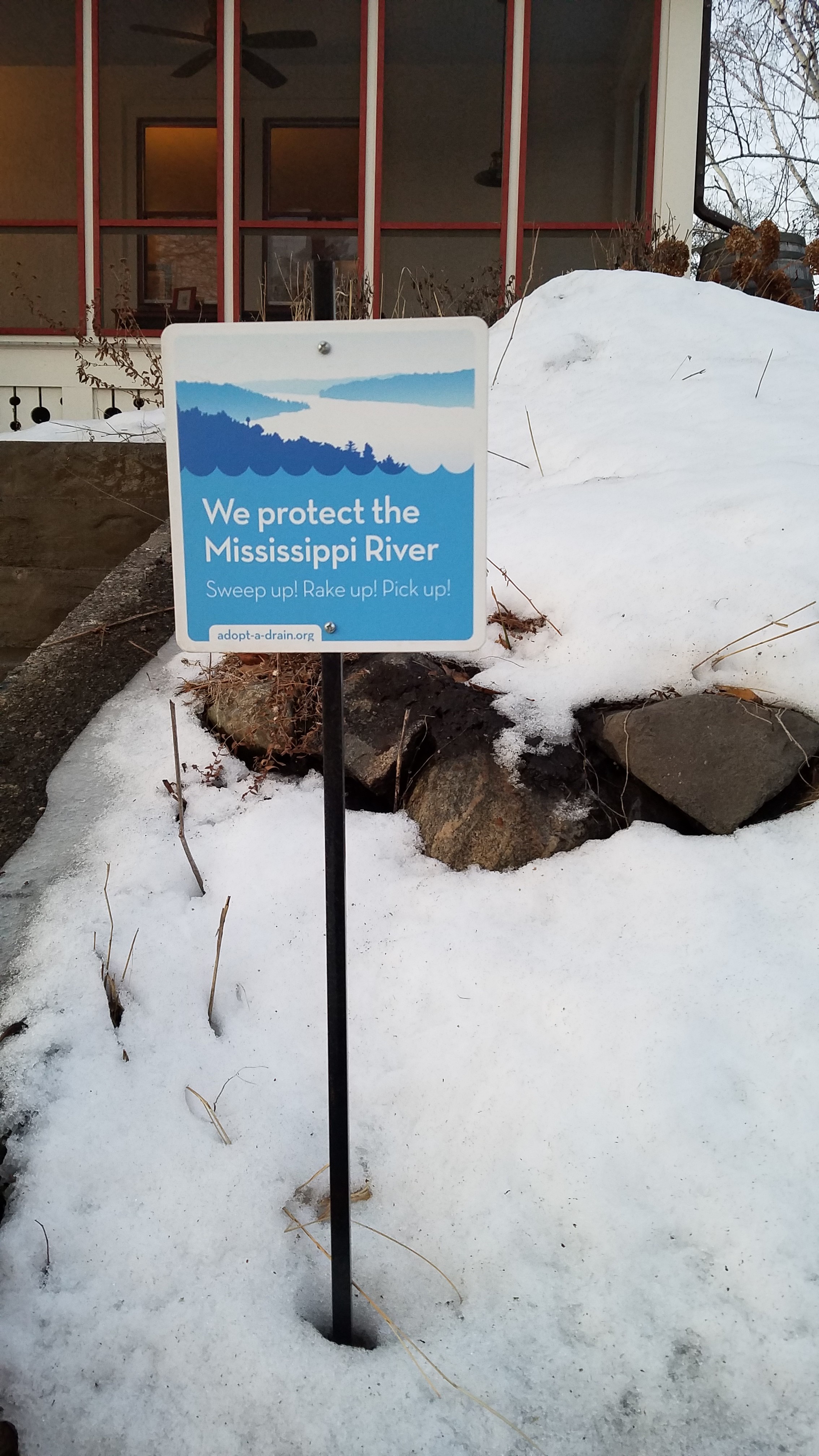
Adopt a storm drain programs engage individual residents to proactively prevent pollution, like leaves and litter, from reaching stormwater. The programs generally allow residents to choose a storm drain they will keep clean. Residents are typically given educational materials when they first sign-up that include tips related to topics such as smart salting, leaf and litter management, or how to spot an illicit discharge.
- Adopt a storm drain program for residents - Example of a storm drain adoption program for residents of St. Paul, Roseville, and Bloomington
- Adopt a drain program for residents - Example of a storm drain adoption program for residents of Minneapolis
- Adopt a storm drain stenciling map - The city of Golden Valley maps out their stenciled areas
- Adopt a storm drain handout - Adopt-a-Drain's handout to new members explaining why and how to keep storm drains clean
Storm drain stenciling programs
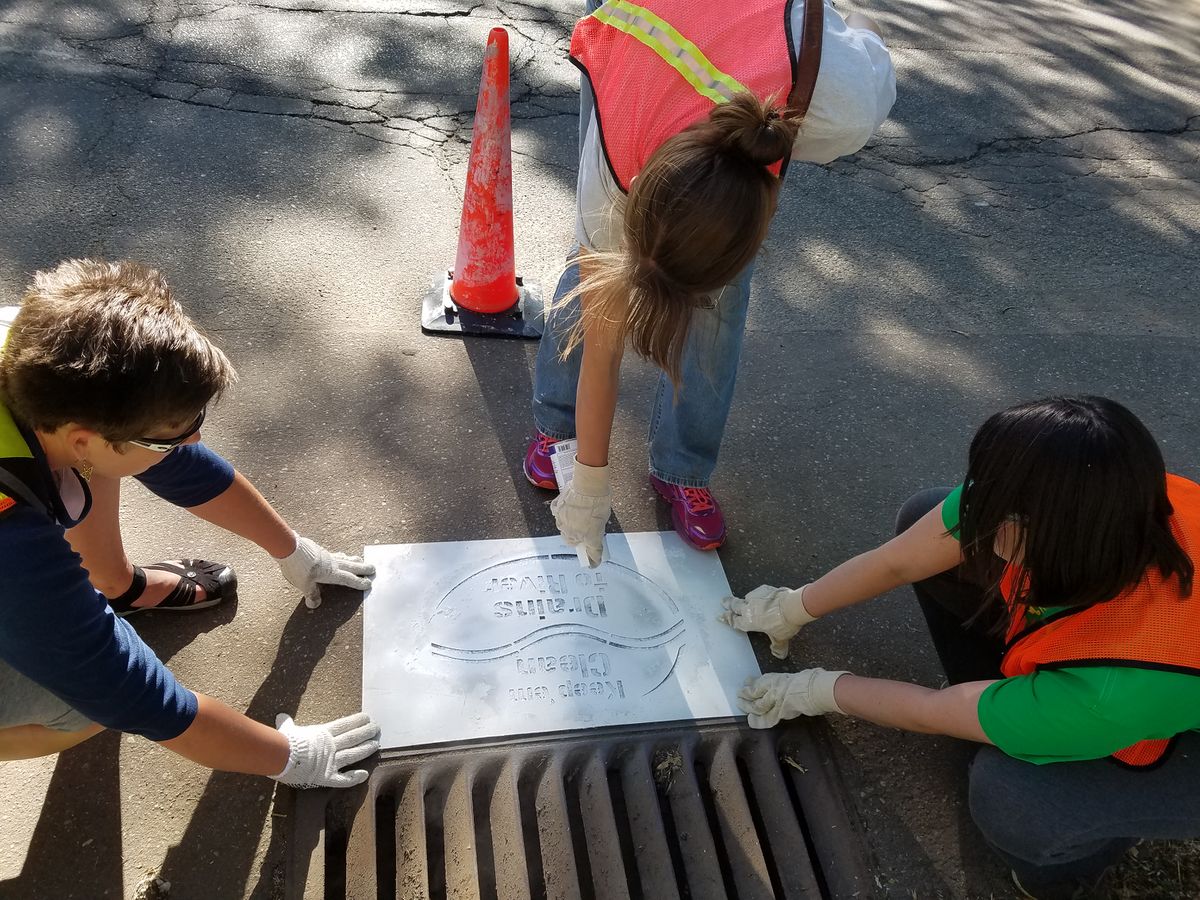
Storm drain stenciling is a way involve groups, such scout groups, in your stormwater program while spreading your stormwater message throughout your community. Generally groups identify neighborhoods or specific blocks in your community and spray paint the pavement next to a storm drain with a message about not polluting stormwater.
- Storm drain stenciling fact sheet - MPCA's fact sheet on storm drain stenciling
- Storm drain stenciling fact sheet - City of Burnsville's fact sheet on why storm drain stenciling is important
- Storm drain stenciling guide - The Regional Stormwater Protection Team (RSPT) has guide to Storm drain stenciling
- Storm drain stenciling guide - Chesapeake Bay Foundation's guide to starting a storm drain stenciling program
- Storm drain stenciling instructions - City of Burnsville's guide to storm drain stenciling
- Storm drain stenciling program - Link to City of Burnsville's storm drain stenciling program
- Storm drain stenciling program - Link to Friend's of the Mississippi River's storm drain stenciling program
- Storm drain stenciling program - Link to City of Minneapolis' storm drain stenciling program
Rain barrel programs
- Rain barrels - Examples locally and nationally of residential rain barrel programs
- Build your own rain barrel fact sheet - Winona's Guide for why and how to build your own rain barrel
What residents can do
The following pages address what residents can do to reduce negative impacts on stormwater.